Reliable Concrete and Masonry Craftsmanship for Honolulu and Oahu
What’s Covered on This Page
- Signs Your Concrete Driveway Needs Repair
- Repair, Resurface, or Replace: Making the Right Call
- When a Small Crack Doesn’t Need a Professional Repair
- What to Expect During Driveway Repair in Honolulu
- How Driveway Repair Pricing Works
- How quickly can you get someone out to look at my driveway?
- What happens when your team arrives to check my driveway?
- Why do so many driveways in Honolulu develop sunken corners or uneven cracks?
- Does every hairline crack in my driveway need a professional repair?
- How do I know if my driveway needs a repair, resurfacing, or full replacement?
- How long will my driveway be out of use during repair?
Signs Your Concrete Driveway Needs Repair
Not every crack means trouble. Some are just surface marks from curing, thin as a pencil line and harmless. But when a crack widens, or one side of it sits higher than the other, that’s a different story.
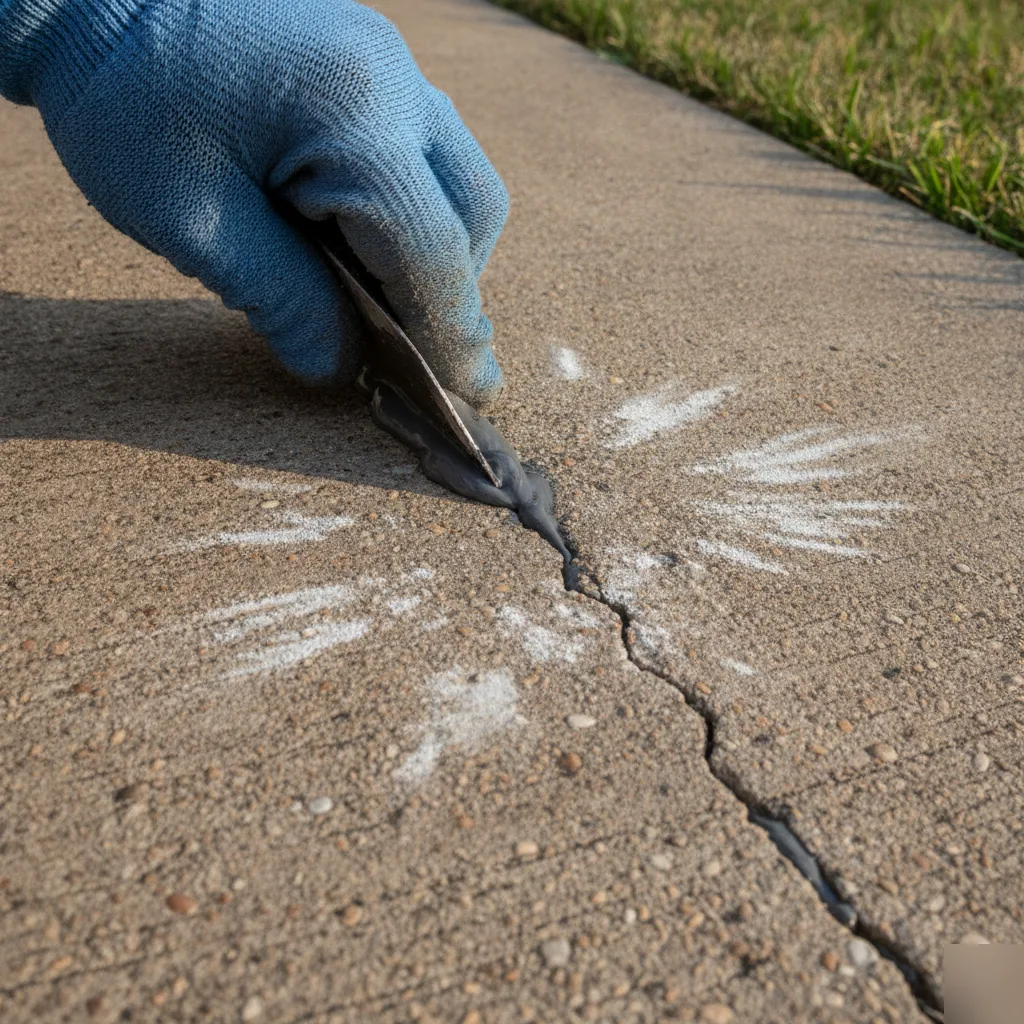
We see this every week. Someone calls after noticing their driveway looks fine from the porch, but up close it tells a different story.
- Cracks wider than a quarter inch, or ones that keep growing over a few months
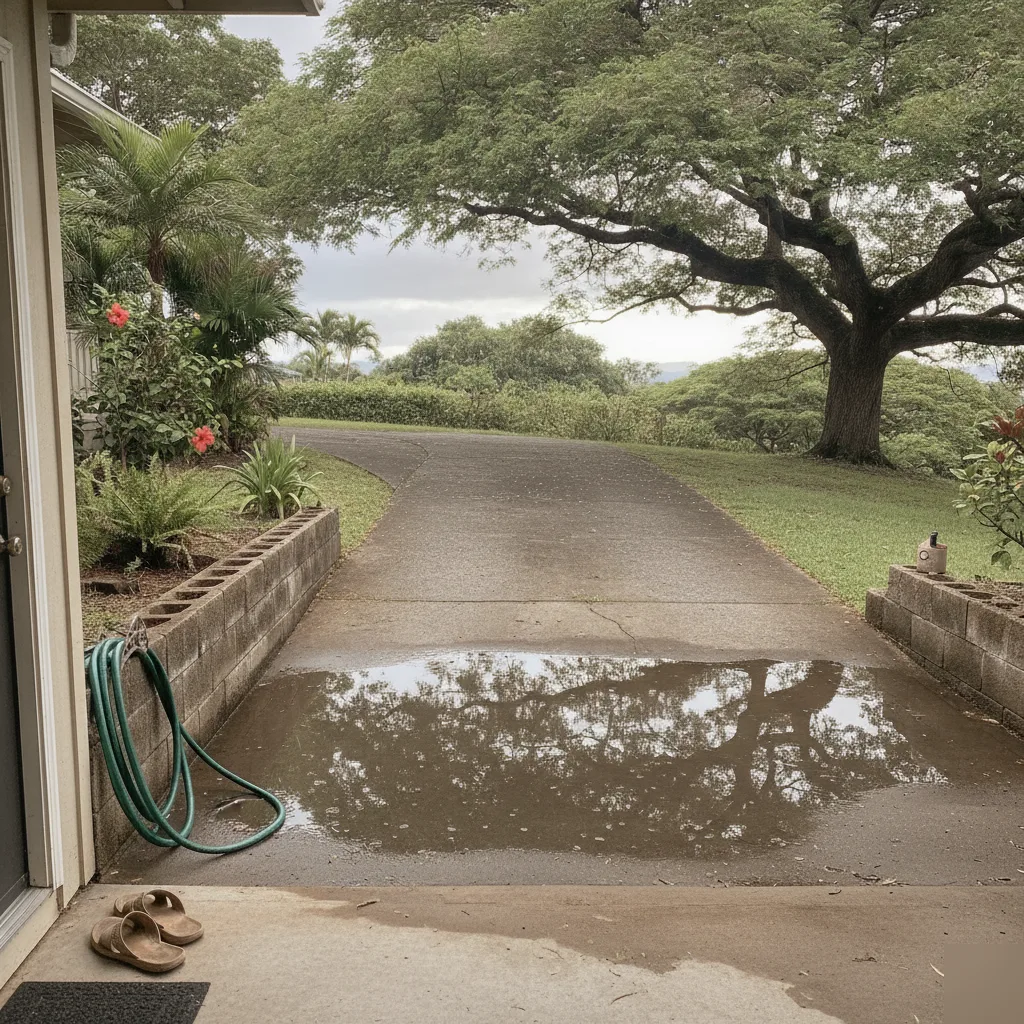
- Sections that have sunk or tilted, so water pools instead of draining toward the street
- Crumbling or flaking concrete at the surface, sometimes called spalling
- Gaps opening up where the driveway meets the garage slab or sidewalk
- Rebar or wire mesh showing through broken concrete
Honolulu’s mix of coral fill and volcanic soil under many older slabs shifts more than people expect, especially after heavy rain soaks the ground. That movement is often what’s really behind a crack, not the concrete itself.
If your driveway has a low spot that collects water after every rain, don’t wait on it. Standing water works its way into small cracks and makes them bigger every season.
Repair, Resurface, or Replace: Making the Right Call
How do you know which category your driveway falls into? Look at the crack first. A hairline crack that hasn’t moved in a year is a different animal than one you can slide a nickel into. Width and depth tell us almost everything before we even show up.
- Hairline cracks with no height difference on either side, usually just need a repair
- Wide cracks, edge crumbling, or one slab sitting lower than the next, points to resurfacing or a section replacement
- Large sections tilting, heaving, or pooling water across most of the driveway, that’s a full replacement conversation
- Cracks that follow a straight line near a tree or utility trench often trace back to root growth or old fill settling
We see plenty of driveways around Honolulu where coral fill under the slab settles unevenly after decades of rain, and that shows up as one panel sinking while the rest stays put. That’s a repair or panel replacement, not a reason to tear out the whole driveway. Resurfacing makes sense when the surface looks tired but the slab underneath is still solid, no major cracking, no sinking, just worn concrete.
Full replacement gets called for when the damage keeps coming back after repairs, or when more than a third of the slab is compromised.
Before you decide anything, get someone out to look at the actual slab, not just photos. Our team, experienced in driveway repair in Honolulu, walks the driveway, checks how the cracks behave, and tells you straight which category it falls into.
The driveway often doesn’t need what the homeowner assumed it needed.
When a Small Crack Doesn’t Need a Professional Repair
Not every crack is a problem. Hairline cracks that run in one direction and stay the same width from end to end are usually just shrinkage cracks. Concrete does this as it cures, especially in Honolulu’s heat where slabs can dry faster on top than underneath. If you can barely fit a coin edge into it, and it’s not growing, you’re probably fine to just keep an eye on it.
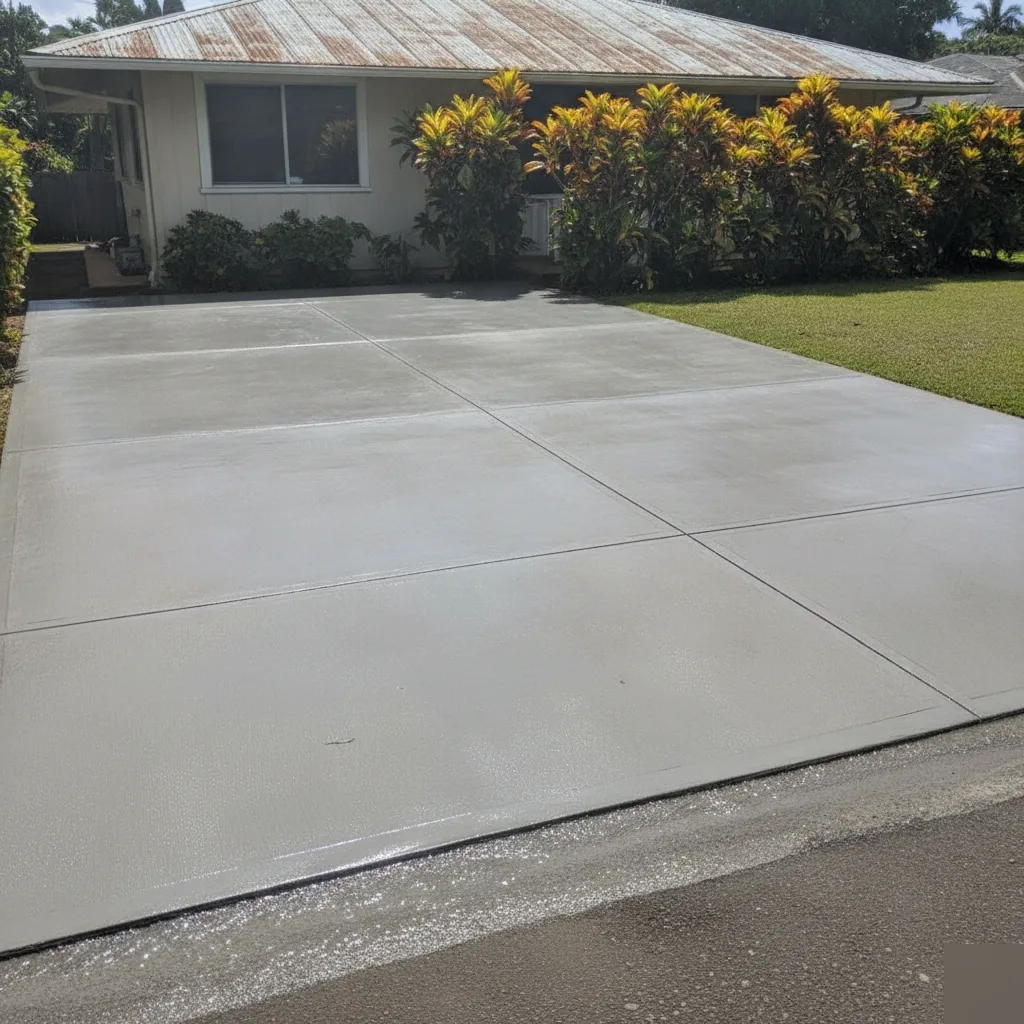
We see this every week. Someone calls worried about a thin line near the garage. We take a look, and it’s nothing that affects the slab’s strength.
How do you tell the difference yourself? A few signs mean it’s still a wait-and-see situation:
- The crack is thinner than a nickel and doesn’t get wider over a season
- There’s no height difference between the two sides
- Water pools nearby but doesn’t seep into the slab base
- It hasn’t spread past its original length in the last six months
Cosmetic cracks like these can often be filled with a simple concrete caulk or sealant you pick up at a hardware store. It’s a Saturday afternoon job, not a phone call to us.
If the crack has a lip you can feel with your foot, or it’s wider on one end than the other, that’s a different story – one we’ll get into next.
Arguing against ourselves here matters. We’d rather you save your money on a crack that doesn’t need us than pay for a repair you didn’t need.
Ready when you are – get in touch today.
Call now for a free estimate. Oahu Masonry & Concrete Contractors is ready to help.
What to Expect During Driveway Repair in Honolulu
Say you notice a corner of your driveway has dropped an inch and rainwater pools right there every time it storms. That’s usually the moment people call us. Driveway repair isn’t a job with one solution. What we do depends on whether you’re dealing with a crack, a sunken slab, or spalling from years of sun and salt air.
In older Kaimuki homes built on coral fill, we often find the sub base has settled unevenly under one section of the slab, which is why that corner sinks while the rest holds fine. Once we understand what’s going on underneath, the repair itself follows a predictable order.
- We inspect the slab, check for cracking patterns, and look at how water is draining across the surface
- We mark out the damaged section and cut it free from the good concrete around it
- We remove the broken concrete and check the base underneath for soft or washed out soil
- We rebuild the base where needed, then form and pour fresh concrete matched to the existing slab
- We finish and cure the new section before it’s ready for regular use
Wondering how long you’ll be without use of your driveway? That depends on how much of the slab needs replacing and how the weather cooperates during cure time. Honolulu’s afternoon showers can slow that curing window, so we plan around it rather than rush it.
The crack you called about is only the visible part of a bigger base problem underneath.
Watch Our Video
See How We Handle Driveway repair in
Oahu Masonry & Concrete Contractors
How Driveway Repair Pricing Works
How does pricing work on a job like this? Most driveway repair costs come down to three things: how much concrete is damaged, how deep the problem goes, and how hard it is to access the area. A small surface crack costs less to fix than a slab that’s settled and needs to be broken out and repoured. That’s just math, not a sales pitch.
Labor and material make up the bulk of any bid. Prep work matters too. If we have to cut and remove old concrete, or if there’s rebar tangled up in the mix, that adds time. Access matters as well – a driveway with a tight side yard or a steep slope takes longer to work than a flat, open one.
- Size and depth of the damaged area
- Whether cutting or coring is needed to remove old concrete
- Site access and slope
- Soil conditions under the slab
- Finish type, since a plain broom finish differs from decorative work
Ask any contractor for a written scope before work starts. What exactly gets removed? What gets replaced? Is the price based on square footage or a flat job rate? A vague quote is a red flag. A good one spells out the work step by step, so you know what you’re paying for and why.
We build every estimate around the actual condition of your concrete, not a generic per-square-foot number pulled from a chart.
Frequently Asked Questions
Common questions about Driveway repair
How quickly can you get someone out to look at my driveway?
We schedule most driveway inspections within a few days of your call. When you reach out, we ask a few quick questions about the cracks or sunken spots you’re seeing, then set a time to walk the slab in person. Photos help us prepare, but they don’t replace an actual look at the concrete. If water is pooling and soaking into cracks, tell us that upfront so we can prioritize your visit before the next rain makes it worse.
What happens when your team arrives to check my driveway?
We start by walking the whole slab and checking how the cracks behave, not just how they look. We check for height differences between sections, watch how water drains across the surface, and look for spots where rebar might be showing through. This tells us whether you’re facing a simple repair, a resurfacing job, or a full section replacement. You’ll get a straight answer about which category your driveway falls into before any work starts.
Why do so many driveways in Honolulu develop sunken corners or uneven cracks?
Coral fill and volcanic soil under many older Honolulu slabs shift more than people expect, especially after heavy rain soaks the ground. That movement is usually what’s behind a crack, not a flaw in the concrete itself. We see this often in older homes where the sub base settled unevenly under one section, so one corner sinks while the rest of the driveway holds steady. It’s a foundation issue as much as a surface one.
Does every hairline crack in my driveway need a professional repair?
No, thin shrinkage cracks that stay the same width and don’t grow are usually fine to leave alone. These form as concrete cures, especially in Honolulu’s heat, and they don’t affect the slab’s strength. If the crack is thinner than a nickel edge, has no height difference on either side, and hasn’t spread in six months, a hardware store concrete caulk can handle it. Call us when the crack widens, has a lip you can feel, or starts pooling water nearby.
How do I know if my driveway needs a repair, resurfacing, or full replacement?
The crack’s width and behavior tell most of the story before we even arrive. Hairline cracks with no height difference usually just need a patch repair. Wider cracks, crumbling edges, or one slab sitting lower than its neighbor point toward resurfacing or a section replacement. Full replacement gets discussed when damage keeps returning after repairs or when more than a third of the slab is compromised. Getting someone to check the actual slab beats guessing from photos.
How long will my driveway be out of use during repair?
It depends on how much of the slab needs replacing and how Honolulu’s weather cooperates during cure time. A small section repair cures faster than a larger replacement, but afternoon showers common to Honolulu can slow the curing window. We plan the schedule around expected rain rather than rushing the pour, since a rushed cure often leads to the same cracking problem showing up again within a year.
Ready to Get Started?
Call +1-808-468-3880 now for a free estimate.