Reliable Concrete and Masonry Craftsmanship for Honolulu and Oahu
What’s Covered on This Page
- Why Honolulu Walkways Crack: Soil and Rain, Not Frost
- Repair Versus Full Walkway Replacement
- What Goes Into a New Concrete Walkway
- Matching Finishes to Entry Style and Foot Traffic
- Planning Around Wet Season and Cure Time
- How long does it take to build a new concrete walkway?
- How do I know if my walkway needs repair or full replacement?
- Why do concrete walkways crack so often in Honolulu?
- What happens during a new walkway installation?
- Which concrete finish holds up best for a Honolulu entryway?
- Is there a best time of year to schedule walkway work in Honolulu?
Why Honolulu Walkways Crack: Soil and Rain, Not Frost
Nobody on Oahu is dealing with frost heave. That is a mainland problem. Here, the real issue is water and the soil underneath your feet.
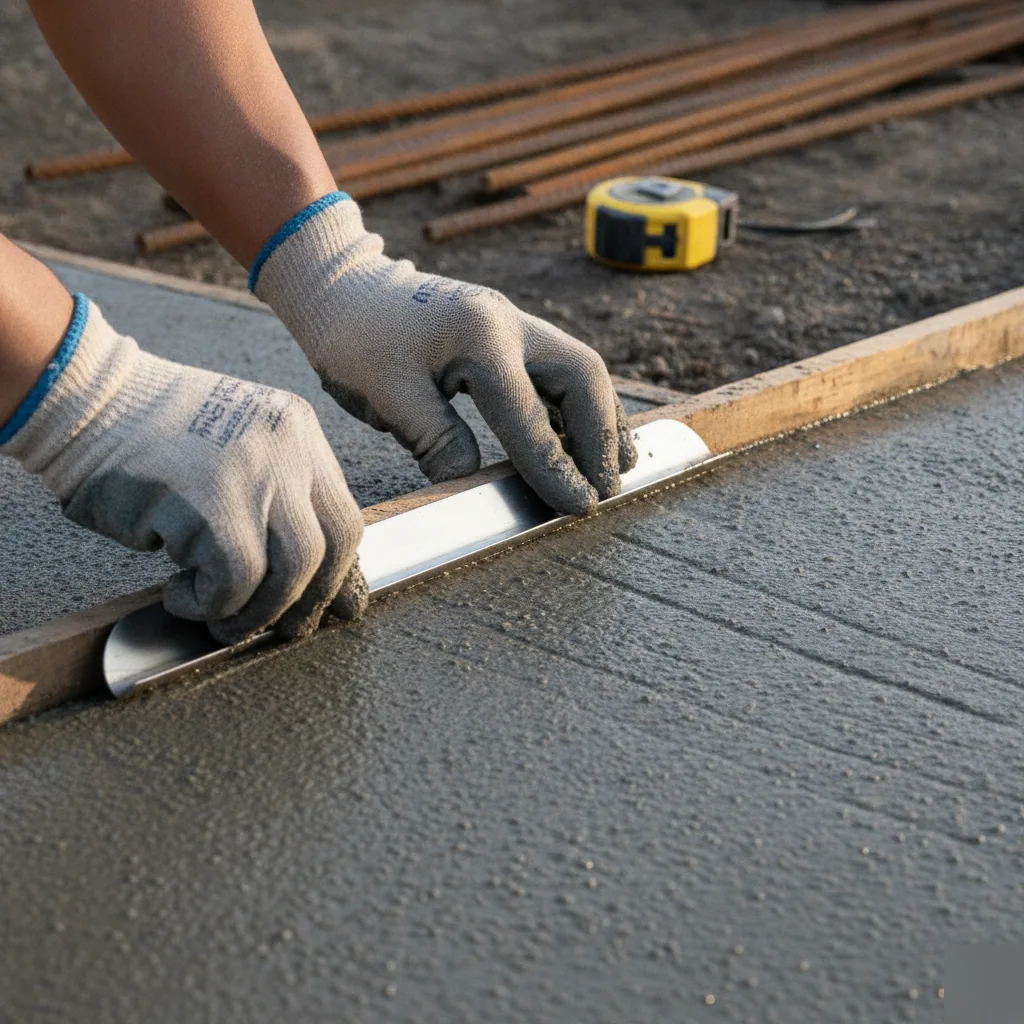
A lot of Honolulu sits on volcanic clay soil. This soil swells when wet and shrinks when dry. Run through a few weeks of heavy tradewind rain, then a dry stretch, and that soil moves. If the base under your walkway was not compacted right, the slab moves with it. We see this every week: hairline cracks that turn into trip hazards within a year or two because the base was not fixed, just patched.
- Poor drainage around the slab, so water pools and softens the soil underneath
- Tree roots from mature landscaping working their way under older walkways
- Thin slabs poured without enough gravel base to handle soil movement
- Runoff from roof gutters or sloped yards draining straight onto the walkway edge
Older homes with mature monkeypod and banyan trees run into root issues more than newer builds. The roots keep growing, and concrete cannot win that fight forever. A walkway poured on grade without proper base prep is waiting for the first rainy season to fail.
Repair Versus Full Walkway Replacement
Not every cracked walkway needs to come out. A single hairline crack that is not moving, is not a trip hazard, and is not letting water under the slab can usually be patched and sealed. But once a walkway starts lifting at the joints or settling unevenly, patching just buys you a few more months before the same spot fails again.
We check a few things before we tell a customer which way to go.
- Crack width over a quarter inch, or cracks that run through the full depth of the slab rather than just the surface
- Height difference between two slab sections you can catch a toe on, which is a real trip risk
- Sections that rock or feel hollow when you walk on them, meaning the base underneath has washed out
- Widespread spalling or flaking on the surface rather than one isolated patch
- A walkway older than the rest of the concrete around it, showing it was likely a different pour with different base prep
Honolulu’s mix of volcanic and coral fill soil moves more than people expect. A walkway that settles in one spot often keeps settling until the base gets rebuilt, not just resurfaced.
Here is the honest answer: if it is one or two small cracks and the slab is still flat, save your money. Call someone for repair, not a full tear out. If you are not sure which category your walkway falls into, that is a normal question and one we get a lot.
If you want to see the kind of repair and replacement work we do around the island, our team has handled concrete walkway construction in Honolulu, from small patch jobs to complete walkway rebuilds.
What Goes Into a New Concrete Walkway
A concrete walkway looks simple once it is poured. Flat, clean, done. But what happens before the truck shows up decides if that walkway is still flat in ten years or cracked and heaving in three.
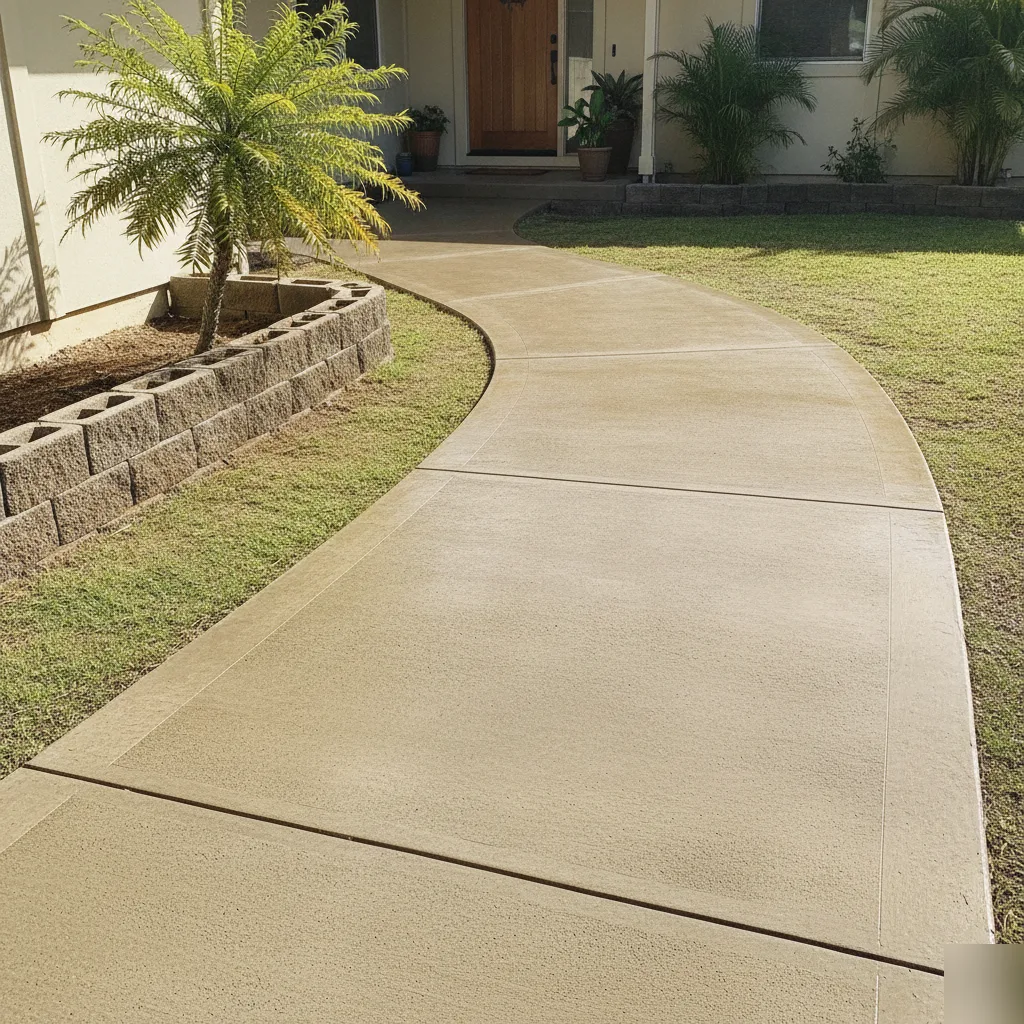
We start with the base, not the concrete. Everything else depends on it. The soil gets excavated to the right depth. Then we compact a layer of aggregate base underneath. Skip that step or rush it, and you will get settling later, even if the concrete itself is poured perfectly.
In older Honolulu neighborhoods like Kaimuki, many homes sit on a mix of decomposed coral and clay soil. That soil holds water and shifts more than sandier ground. It needs extra compaction work before we bring in forms.
- Excavation to consistent depth, so slab thickness does not vary along the path
- Compacted base material, usually crushed rock, to stop settling and cracking
- Wood or metal forms set to the exact width and slope you want
- Slope built into the pour so rainwater runs off instead of pooling
- Control joints cut at set intervals to manage cracking as concrete cures
- A broom finish or decorative concrete texture for slip resistance
Slope matters more here than in a lot of the mainland. Honolulu gets heavy rain in short bursts. A walkway with no pitch turns into a puddle every time it storms. We build in drainage from the start, not as an afterthought.
Curing time is not something to rush either. Concrete needs several days of proper curing before it can handle regular foot traffic without surface damage.
Not sure what your Concrete walkway construction project needs? Ask us.
Call now for a free estimate. Oahu Masonry & Concrete Contractors is ready to help.
Matching Finishes to Entry Style and Foot Traffic
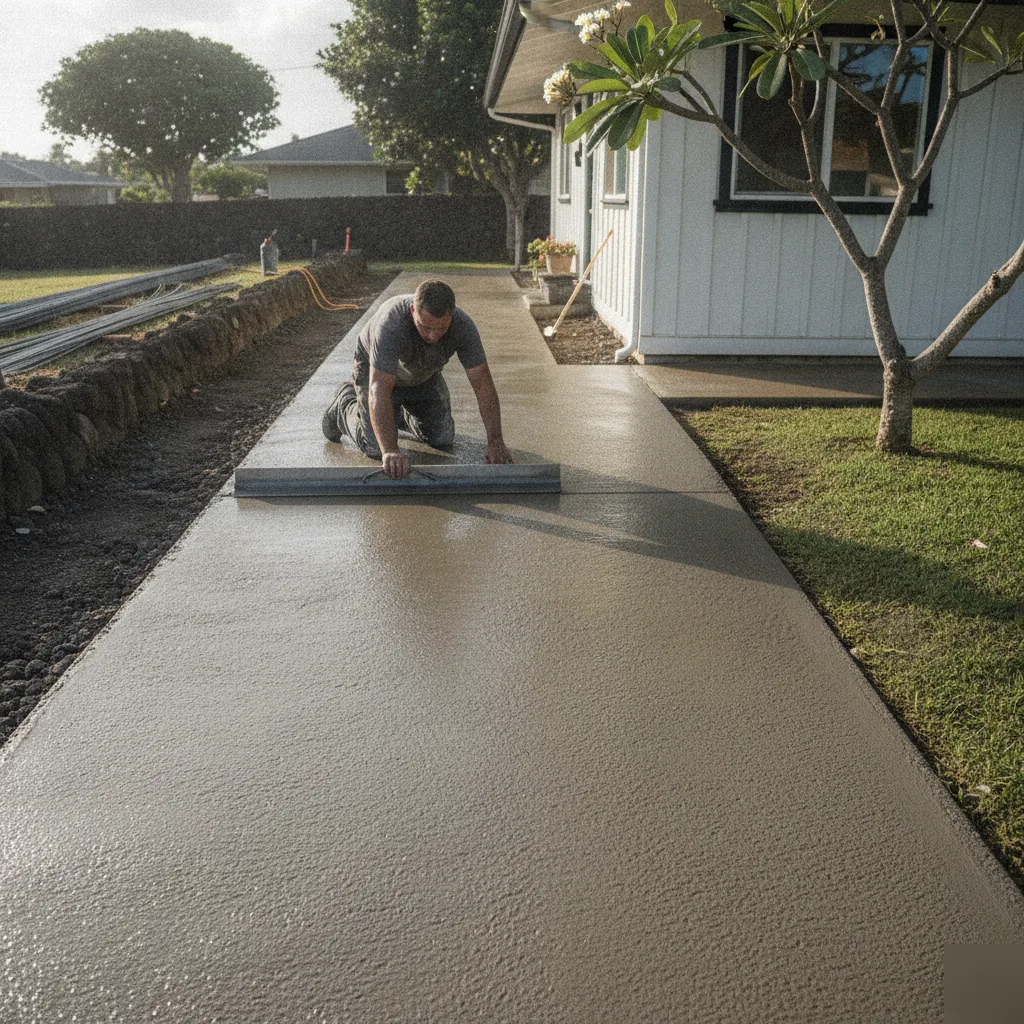
The finish you pick does two jobs at once. It sets the look of your entry, and it decides how much grip you get underfoot when the ground is wet. We slow down here more than most contractors, because Honolulu gets sudden rain even on clear days. A finish that looks great dry can turn slick fast.
- Broom finish, the classic choice for a straight shot from driveway to door, gives steady grip and a clean look that fits most single family homes.
- Exposed aggregate shows the stone underneath and holds up well on paths that see kids, coolers, and beach gear dragged across it daily.
- Decorative concrete, stamped or scored to mimic pavers or tile, works well for a lanai entry or a front path on a nicer build.
- Salt finish adds a light texture, a good middle ground for a plantation style home that wants some grip without heavy texture.
So how do you pick? Start with how the path gets used. A busy family walkway near the driveway needs more traction than a quiet side path that only sees mail delivery. Homes with a plantation style front porch often look good with a simple broom or salt finish, nothing too fussy. Newer builds with clean lines can carry a stamped or scored pattern without looking out of place.
One thing we tell every customer, plain and simple: Do not chase a fancy finish if the walkway gets soaked shoes and wet slippers every afternoon. Grip wins over looks on a path people use.
Watch Our Video
See How We Handle Concrete walkway construction in
Oahu Masonry & Concrete Contractors
Planning Around Wet Season and Cure Time
Timing matters more than most people think. Concrete needs time to cure before it can handle foot traffic, rain, or anything sitting on it. Rush that window and you will see it later, usually as cracking or a surface that never quite hardens right.
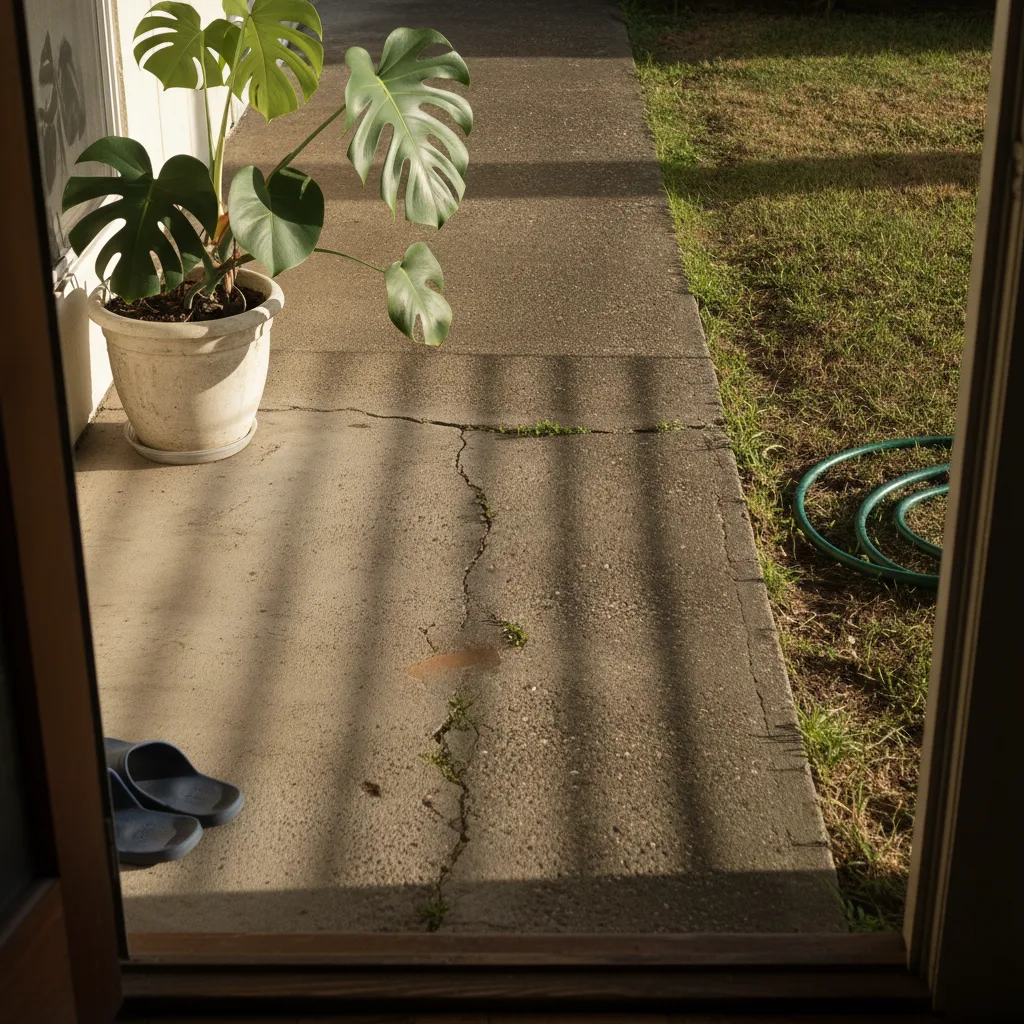
Honolulu gets most of its rain between November and March. It tends to come as short, heavy afternoon showers rather than steady all-day rain. That pattern works in our favor most of the time. We can pour in the morning, get several dry hours for the initial set, and cover the slab if clouds roll in later. Summer months give us longer dry stretches, which makes scheduling easier, but they are not the only option.
Fresh concrete that gets rained on before it sets can end up with a weak, dusty surface or pitting. We watch the forecast closely before we pour, not just the day of but the 48 hours after.
- We check short-term forecasts before locking in a pour date, not just general season trends
- Fresh walkways get covered if rain moves in during the first 24 hours
- Full cure typically takes about a month, though the walkway is usually walkable within a few days
- Trade wind humidity can slow surface drying slightly, so we adjust finishing time accordingly
Can you pour a walkway in wet season? Plenty of our Honolulu jobs happen exactly then. It takes more attention to the forecast and a plan for covering fresh concrete if the sky opens up.
Frequently Asked Questions
Common questions about Concrete walkway construction
How long does it take to build a new concrete walkway?
A new walkway usually needs several days of proper curing before you can walk on it daily. The pour itself often happens in one day once the base is prepped, but rushing the curing time causes surface damage down the road. In Honolulu, weather timing matters too. We watch the forecast for a dry stretch so tradewind rain does not hit the slab before it sets. Planning around the weather protects your investment from day one.
How do I know if my walkway needs repair or full replacement?
A single hairline crack that is not moving or catching your toe usually just needs a patch and seal. Full replacement makes sense once you see cracks wider than a quarter inch, sections that rock underfoot, or uneven height between slabs. Widespread flaking across the surface is another sign the base has failed, not just the top layer. If you are unsure which category your walkway falls into, that is a common question and worth a second look before you spend money.
Why do concrete walkways crack so often in Honolulu?
Most Honolulu walkways crack from soil movement and heavy rain, not frost like mainland concrete. Volcanic clay soil swells during wet weeks and shrinks in dry spells, and a poorly compacted base moves right along with it. Older neighborhoods with mature monkeypod and banyan trees see extra trouble as roots push up from below. Poor drainage around the slab edge adds to the problem. A walkway built without accounting for these local conditions tends to crack years before it should.
What happens during a new walkway installation?
We start by excavating the soil to a consistent depth and compacting a layer of aggregate base underneath. This step matters more than the concrete itself, since a rushed base leads to settling later even with a perfect pour. Forms go in next, set to your exact width and slope, followed by control joints cut to manage cracking as the slab cures. Building in slope from the start keeps rainwater running off instead of pooling on your new path.
Which concrete finish holds up best for a Honolulu entryway?
The right finish depends on how much foot traffic and rain your walkway sees. A broom finish gives steady grip for a busy path between your driveway and front door. Exposed aggregate handles daily wear from kids, coolers, and beach gear well. Decorative or stamped concrete suits a lanai entry or a quieter front path on a nicer build. Since sudden rain hits even on clear Honolulu days, we always weigh slip resistance alongside looks before picking a finish.
Is there a best time of year to schedule walkway work in Honolulu?
Yes, scheduling around drier stretches gives new concrete the best chance to cure without interruption. Heavy tradewind rain can hit fast, even during otherwise clear weeks, so we watch the forecast closely before pouring. Waiting for a stable dry window also helps with base compaction, since soaked soil compacts less evenly. Booking ahead gives you more flexibility to land on a good weather window instead of rushing the job.
Ready to Get Started?
Call +1-808-468-3880 now for a free estimate.